Introduction
Differential equations are essential in mathematics for modeling natural and human-made phenomena. They describe the rate of change of quantities and are widely used in physics, engineering, biology, economics, and more — including predicting planetary motion and understanding population dynamics.
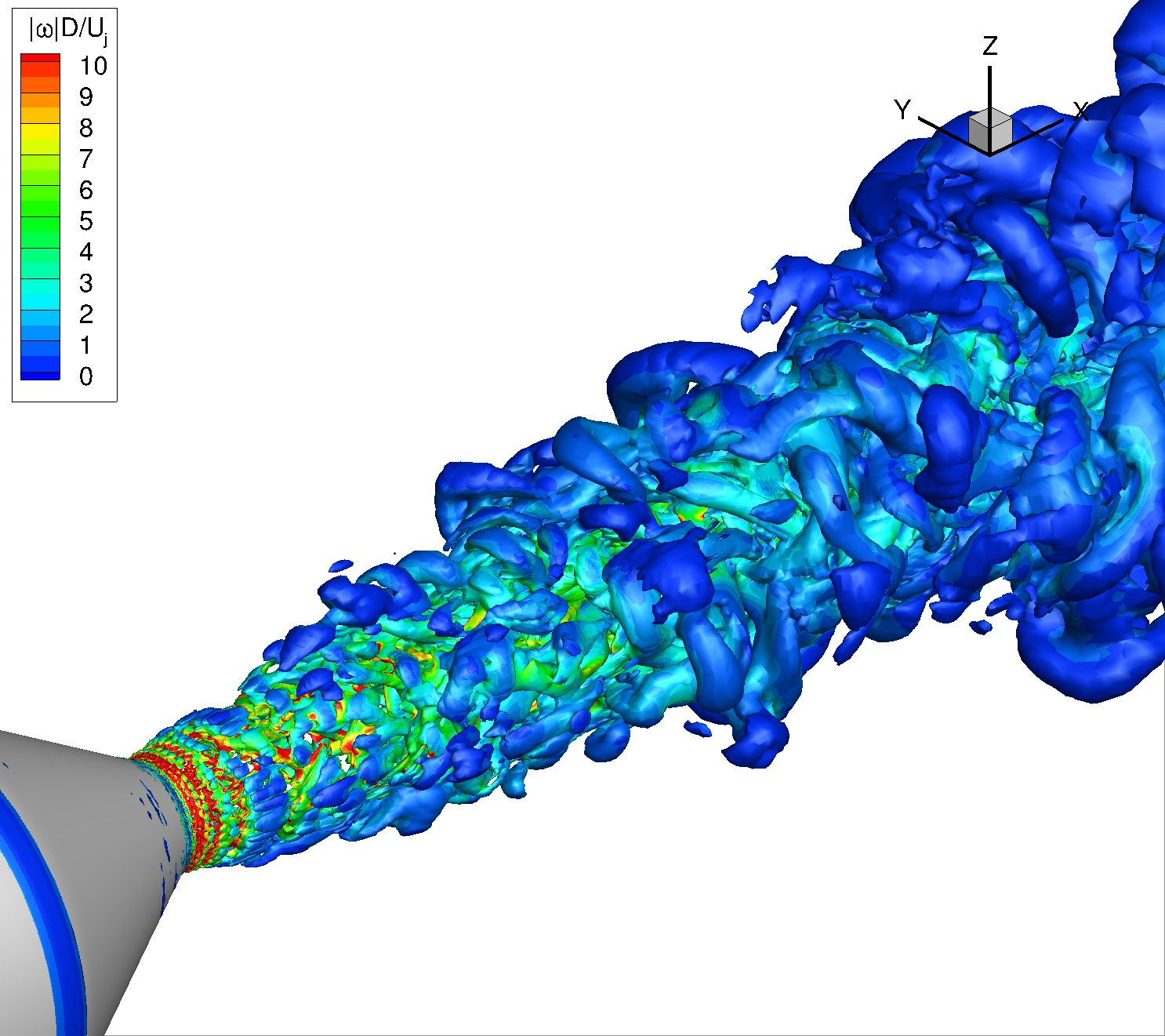
This chapter covers basic concepts, types of differential equations, and solution methods, equipping learners with the ability to apply differential equations to real-world water-related problems.
What is a differential equation?
A differential equation relates a function to its derivatives — it describes how one quantity changes with respect to another:
The unknown in the equation is a function, and the equation defines the relationship between the function and its rates of change. A classic example is Newton's second law of motion, which relates acceleration to forces through a differential equation:
"Solving a differential equation means finding the function that satisfies the relationship."