Introduction
Computational Hydraulics is defined by Abbot and Minns (1998) as:
"the reformulation of traditional hydraulics to suit the possibilities and requirements of discrete, sequential and recursive processes of digital computation"
Computational hydraulics is a subfield of CFD (Computational Fluid Dynamics).
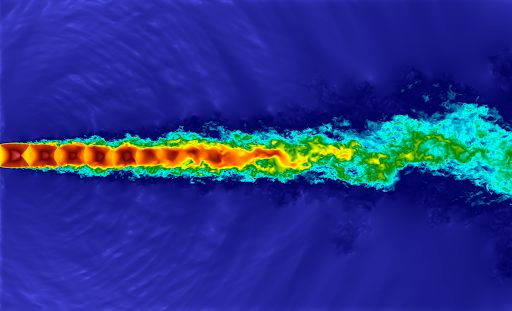
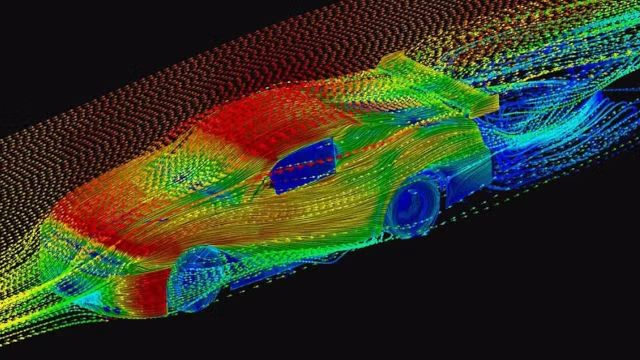
The principal goal of Computational Hydraulics is to build models that can represent accurately the hydraulics phenomena.
A model is a simplified, schematic representation of the real world. Models are meant to help engineers, scientists and decision-makers determine what is happening in reality and predict what may happen in the future.
Building a model for hydraulic problems requires extensive observed data for simulations, but there is often a lack of sufficient data available. Sophisticated numerical methods and simulations help bridge the gap between theoretical understanding and experimental limitations, providing valuable qualitative and quantitative insights into complex phenomena that are difficult or costly to analyze experimentally or analytically.
:::info Course This course is presented by OULEBSIR Rafik. :::